- 25/06/2026
- Goodfaith Healthcare
- 0 Comments
- Blogs
Understanding High Blood Pressure: Early Warning Signs, Risks, and Prevention Tips
High blood pressure, also known as hypertension, is one of the most common health conditions worldwide. High blood pressure rarely shows up with a warning sign. No pain, no obvious symptoms — yet it quietly puts your heart, kidneys and overall health at risk. That’s exactly why doctors call it the “silent killer.” Whether you’re an adult managing daily stress or a parent keeping track of your family’s health, understanding this condition early can make all the difference. At GoodFaith Healthcare, we believe awareness is the first step to prevention — and this blog will help you understand why blood pressure deserves your attention, even when you feel perfectly fine.
Understanding the early warning signs, risk factors, and preventive measures can help you take control of your health and reduce long-term complications. Dr. Anuja Pakhare, believes that healthy habits should begin early in life. Through guidance at our Pediatric Clinic in Hinjewadi, we help families build lifelong heart-healthy lifestyles and promote preventive healthcare for children and parents alike.
What Is High Blood Pressure?
Blood pressure is the force exerted by circulating blood against the walls of your arteries. It is measured using two numbers:
- Systolic pressure: The upper number that indicates the pressure when your heart beats.
- Diastolic pressure: The lower number that indicates the pressure when your heart rests between beats.
A normal blood pressure reading is generally considered to be below 120/80 mmHg.
Blood pressure categories include:
- Normal: Less than 120/80 mmHg
- Elevated: 120–129 systolic and less than 80 diastolic
- Stage 1 Hypertension: 130–139 systolic or 80–89 diastolic
- Stage 2 Hypertension: 140/90 mmHg or higher
Regular monitoring is essential because blood pressure can fluctuate throughout the day.
Why Is High Blood Pressure Called the "Silent Killer"?
High blood pressure (hypertension) is called the silent killer because it often develops and progresses without any noticeable symptoms. Here’s why it’s so easy to miss:
No early warning signs: Most people with high BP feel completely normal, so the condition goes undetected for years.
Gradual organ damage: Over time, untreated high BP can quietly damage the heart, kidneys, brain, and eyes.
Often discovered too late: Many people only find out during a routine check-up or after a serious complication like a heart attack or stroke.
Linked to lifestyle and chronic conditions: Stress, poor diet, lack of exercise, and existing chronic illnesses can silently push BP levels higher.
Interestingly, blood pressure awareness isn’t just an adult concern. Dr. Anuja Pakhare, Pediatrician in Hinjewadi, often highlights how early lifestyle habits formed in childhood — diet, screen time, physical activity — play a role in BP levels later in life, making family-wide health awareness just as important as individual check-ups.
This is exactly why regular monitoring matters so much. A simple routine health check-ups service in Hinjewadi can catch elevated blood pressure long before it becomes a serious problem.
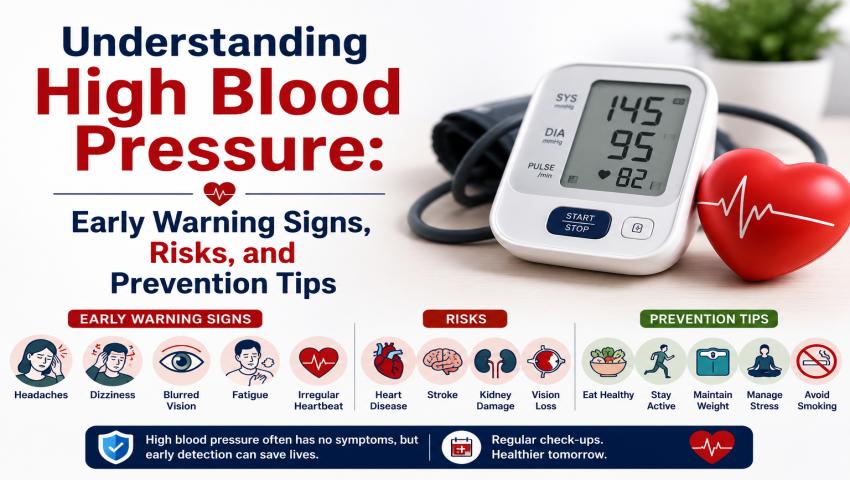
Early Warning Signs You Should Not Ignore:
Although many people have no symptoms, some may experience warning signs when blood pressure becomes significantly elevated.
Common symptoms can include:
- Frequent headaches
- Dizziness or lightheadedness
- Blurred vision
- Shortness of breath
- Chest discomfort
- Fatigue
- Nosebleeds
- Irregular heartbeat
These symptoms do not always indicate high blood pressure, but they warrant medical evaluation.
Seek immediate medical attention if you experience severe chest pain, difficulty breathing, sudden weakness, confusion, or vision changes.
Who Is at Risk?
Several factors can increase your risk of developing hypertension.
Non-modifiable risk factors:
- Increasing age
- Family history of high blood pressure
- Male gender (before age 65)
- Postmenopausal women
Modifiable risk factors:
- Excess body weight
- Sedentary lifestyle
- High salt intake
- Excessive alcohol consumption
- Smoking and tobacco use
- Chronic stress
- Poor sleep quality
- Unhealthy diet
- Diabetes
- High cholesterol
- Chronic kidney disease
Understanding your risk factors can help you take preventive action early.
Health Risks Associated With Uncontrolled High Blood Pressure:
If left untreated, hypertension can damage multiple organs over time.
Potential complications include:
- Heart attack
- Heart failure
- Stroke
- Kidney disease
- Vision problems
- Peripheral artery disease
- Cognitive decline and dementia
The longer blood pressure remains uncontrolled, the greater the risk of complications.
How Is High Blood Pressure Diagnosed?
A diagnosis of hypertension is usually made after multiple blood pressure readings taken on different occasions.
Your doctor may recommend:
- Regular blood pressure monitoring
- Home blood pressure measurements
- Blood tests
- Urine tests
- Electrocardiogram (ECG)
- Kidney function tests
These evaluations help identify possible causes and assess the impact of high blood pressure on your overall health.
Prevention Tips: How to Keep Your Blood Pressure Under Control?
- Cut down on salt: Aim to consume less than 5 grams of salt per day. Read food labels carefully, as many processed foods contain hidden sodium.
- Stay physically active: Engage in at least 150 minutes of moderate-intensity exercise each week. Walking, cycling, swimming, and yoga are excellent options.
- Maintain a healthy weight: Even modest weight loss can help lower blood pressure significantly.
- Manage stress effectively: Practice relaxation techniques such as meditation, deep breathing exercises, mindfulness, or hobbies you enjoy.
- Avoid tobacco and limit alcohol: Quitting smoking and reducing alcohol intake can improve heart health and lower blood pressure.
- Get adequate sleep: Aim for 7–9 hours of quality sleep each night.
- Follow a heart-healthy diet: Eat more fruits and vegetables
- Choose whole grains
- Include lean proteins
- Limit processed and packaged foods
- Reduce saturated and trans fats
When Should You See a Doctor?
- Your blood pressure readings are consistently above 130/80 mmHg
- You have a family history of hypertension
- You have diabetes, obesity, or kidney disease
- You experience symptoms such as chest pain, severe headaches, or dizziness
Don’t wait for symptoms that may never show up. Book a routine health check-up with a trusted General Physician in Hinjewadi today and stay a step ahead of silent health risks. For family health concerns, you can also consult Dr. Anuja Pakhare, Pediatrician in Hinjewadi, at GoodFaith Healthcare.
FAQ's
Usually none — that’s why it’s called the silent killer. Some people get mild headaches or dizziness, but regular BP checks are the only sure way to know.
From your early 20s, especially with a family history of hypertension or heart disease. Earlier if you’re overweight or under high stress.
Yes, though it’s rare. Poor diet and low activity can raise BP in kids too, making family check-ups worth considering.
Once a year if you’re healthy. Every 3 to 6 months if you have diabetes, obesity, or a family history — as part of regular chronic disease management.
Mostly manageable, not curable. With medication, lifestyle changes, and routine health check-ups, most people live a normal, healthy life.
Conclusion:
High blood pressure may not announce itself, but its effects can be serious if left unchecked. Regular screenings, timely diagnosis, and consistent chronic disease management — backed by trusted care at GoodFaith Healthcare — are the best ways to protect your long-term health. Make routine health check-ups a habit, because when it comes to silent conditions like hypertension, early detection truly is the best prevention.