
- 27/07/2026
- Goodfaith Healthcare
- 0 Comments
- Blogs
Newborn Screening: What Tests Are Done and Why They Matter?
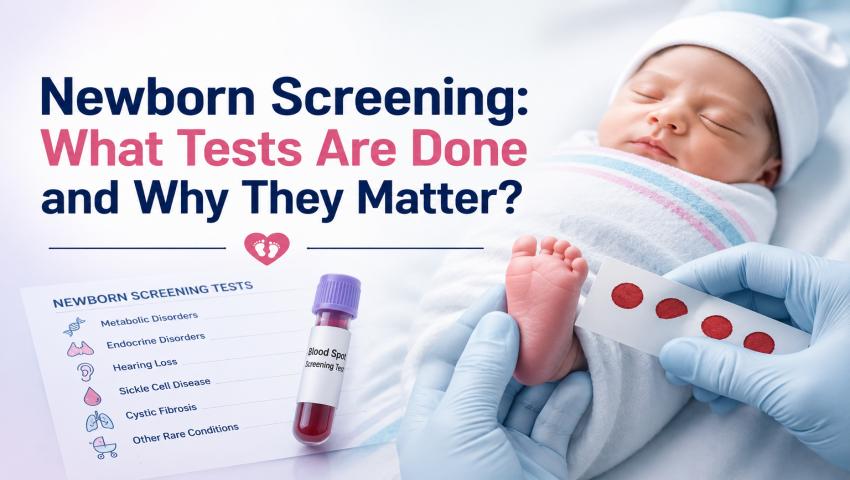
The first few days after your baby’s birth are filled with joy, exhaustion, and a hundred new questions. One of the most important things that happens during this window is often the least talked about: newborn screening. At GoodFaith Healthcare, under the care of Dr. Anuja Pakhare, Best Pediatrician in Hinjewadi, parents frequently ask why their baby needs blood tests, hearing checks, and heart screenings within the first 24 to 48 hours of life. This guide explains exactly what these tests are, why they matter, and what the results mean for your baby’s long-term health.
What Is Newborn Screening?
Newborn screening is a set of simple, quick tests performed shortly after birth to check for serious but rare conditions that aren’t visible at first glance. Many of these conditions — metabolic, hormonal, hearing-related, or heart-related — don’t show obvious symptoms in the first days of life, but can cause serious health problems if left undetected. Catching them early allows treatment to begin before any real damage occurs, which is exactly why every baby, healthy-looking or not, is screened.
Why Newborn Screening Matters?
Some conditions detected through screening can lead to intellectual disability, organ damage, hearing loss, or even life-threatening complications if untreated. The encouraging part is that most of these conditions are manageable, and some are fully treatable, when identified early. A few days can make the difference between a child growing up with a manageable condition versus facing irreversible complications. This is the core reason pediatricians worldwide, including at our Newborn Screening Center in Hinjewadi, treat this as a non-negotiable part of newborn care.
What Tests Are Done During Newborn Screening?
1. Heel Prick Test (Newborn Blood Test):
This is the most well-known part of newborn screening. A small blood sample is collected from your baby’s heel, usually between 24 and 72 hours after birth. It sounds intimidating, but it involves only a tiny prick and a few drops of blood.
This sample is used for Newborn Metabolic Screening, which checks for inherited disorders affecting how your baby’s body processes proteins, fats, and sugars. Left undiagnosed, some of these metabolic conditions can affect brain development within weeks. The heel prick also screens for Congenital Hypothyroidism, a condition where the thyroid gland doesn’t produce enough hormone needed for normal growth and brain development. Since this condition often shows no visible symptoms at birth, blood testing is the only reliable way to catch it early.
2. Newborn Hearing Screening OAE:
Hearing loss is one of the most common conditions present at birth, yet it’s easy to miss without formal testing since babies can’t tell us if they can’t hear. The Hearing Screening for Newborns uses painless, non-invasive equipment to check how your baby’s ears and brain respond to sound. It typically takes just a few minutes and can be done while your baby is asleep.
Early identification of hearing issues allows intervention during the critical language-development window in the first year of life, which significantly improves speech and communication outcomes later.
3. Newborn Heart Screening (Pulse Oximetry Test):
The Newborn Heart Screening is a simple, painless test that measures oxygen levels in your baby’s blood using a small sensor placed on the hand and foot. It helps detect critical congenital heart defects that may not be obvious through a physical exam alone. Since some heart conditions can worsen quickly if undiagnosed, this quick check adds an important layer of safety before your baby goes home.
4. Physical Examination and General Baby Health Check:
Alongside the specific screening tests, a thorough Baby Health Check After Birth is done to assess reflexes, muscle tone, weight, and overall physical development. This exam helps your pediatrician spot any early signs that might need closer monitoring.
When Are These Tests Done?
Most newborn screening tests are performed between 24 and 72 hours after birth, ideally before your baby is discharged from the hospital. If your baby is born at home or discharged early, it’s important to schedule these tests with your pediatrician within the first few days, since testing too early can sometimes lead to inaccurate results.
What Happens If a Test Comes Back Abnormal?
It’s natural to feel worried if you hear the word “abnormal” attached to your newborn’s results. However, an abnormal screening result doesn’t automatically mean your baby has a condition. Screening tests are designed to be highly sensitive, which means they sometimes flag results that need a second, more detailed diagnostic test to confirm. Your pediatrician will guide you through repeat testing or referral to a specialist if needed, so you’re never left navigating this alone.
Newborn Care Doesn't Stop at Screening:
Newborn screening is just the beginning of a much longer journey of care. At GoodFaith Healthcare, our approach to Newborn Care in Hinjewadi includes continued monitoring through routine visits, growth tracking, and guidance for new parents. We also provide dedicated Follow up of High Risk Newborns, ensuring babies who need closer observation receive consistent, structured care during their most vulnerable early months.
Beyond the newborn phase, our clinic supports families with Best Vaccination Center services, breastfeeding counseling, Nebulisation Treatment for respiratory concerns, and ongoing Routine Health Check-ups as your child grows.
Why Choose GoodFaith Healthcare for Newborn Screening in Hinjewadi?
Choosing where your baby receives their first health checks is an important decision. Here’s what makes GoodFaith Healthcare a trusted choice for families across Hinjewadi and Wakad:
- Led by Dr. Anuja Pakhare, an experienced child specialist focused on early detection and preventive pediatric care
- Comprehensive newborn screening covering metabolic, hearing, and heart evaluations under one roof
- Compassionate, clearly explained guidance for anxious new parents
- Ongoing support through vaccination, growth monitoring, and high-risk newborn follow-up
- A trusted Pediatric Clinic in Hinjewadi, easily accessible for families searching for a pediatrician near me or child specialist near me
Whether you’re a first-time parent or expanding your family, having a reliable Child Specialist in Hinjewadi by your side during these first crucial days brings real peace of mind.
Book Your Newborn's Screening Today:
Every test in the first few days of your baby’s life is a step toward a healthier future. Schedule your newborn screening with Dr. Anuja Pakhare at GoodFaith Healthcare and give your little one the strongest possible start.
Frequently Asked Questions:
Newborn screening typically includes a heel prick blood test for metabolic and thyroid disorders, a hearing screening, a pulse oximetry heart screening, and a general physical health check.
Most tests are performed between 24 and 72 hours after birth, usually before hospital discharge. If missed, they should be scheduled with a pediatrician within the first week.
It involves a quick, small prick on the heel and mild, brief discomfort. Most babies settle within moments, and the test itself takes only a few minutes.
An abnormal result usually calls for a repeat or confirmatory test, not an immediate diagnosis. Your pediatrician will guide you through the next steps calmly and clearly.
GoodFaith Healthcare offers complete newborn screening services in Hinjewadi, including blood, hearing, and heart tests, along with follow-up care for high-risk newborns.