
- 21/08/2026
- Goodfaith Healthcare
- 0 Comments
- Blogs
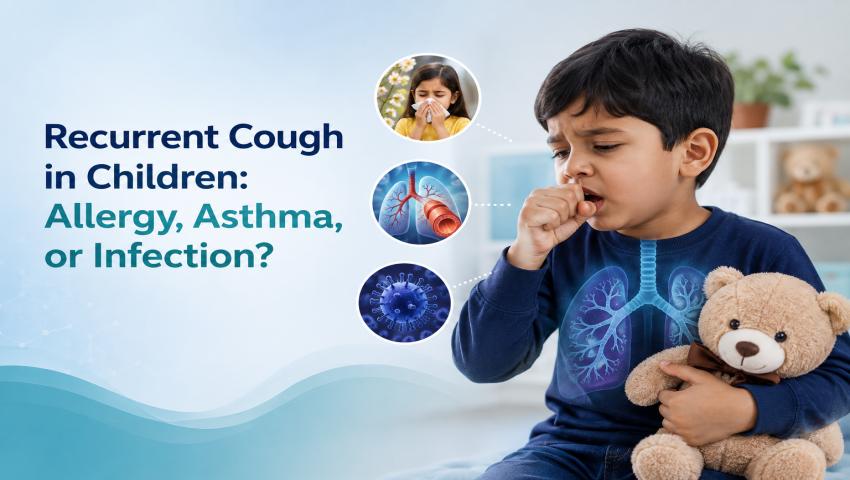
Recurrent Cough in Children: Allergy, Asthma, or Infection?
Is your child constantly coughing? Does it seem like one cold merges into another, leaving you worried? Persistent coughing is a common concern in children and one of the leading reasons for doctor visits in Hinjewadi and Wakad.
Understanding the causes of cough in children and identifying its specific pattern is crucial. Recurrent Cough in Children: Allergy, Asthma, or Infection? The key to helping your child feel better is determining whether the recurrent cough is caused by an allergy, asthma, or an infection. Let’s break down each possibility to help you understand what might be happening and when to seek professional help from a child specialist in Hinjewadi.
What Is Recurrent Cough in Children?
It is important to understand what a recurrent cough actually is. It’s not just a single, lingering cold. A recurrent cough is defined by repeated episodes of coughing. This could mean a cough that lasts much longer than the typical week or two after a cold, or a cough that comes and goes frequently—even when the child appears completely well in between episodes. If you notice this pattern, consulting a pediatrician in Hinjewadi is highly recommended.
Cough Infections in Children: Causes and Patterns
Infections are a frequent culprit behind a new or persistent cough, especially in young children who are still building their immune systems.
- Viral Infections: This is the most common cause. Children in daycare or school naturally catch many viruses. When colds occur close together, it can feel like one long, non-stop illness. A normal cold can cause a cough that lasts for several weeks as mucus clears. The repetitive nature often just means your child has caught another mild cold.
- Pertussis (Whooping Cough): Though less common due to widespread vaccination, this is a serious and highly contagious bacterial infection that causes severe, hacking coughs that often end with a characteristic “whoop” sound. Ensuring your child is up-to-date at a reliable vaccination center in Hinjewadi is crucial for prevention.
- Other Infections: Sometimes, a persistent cough may point to other less common issues like mycoplasma or other bacterial infections, which your doctor can evaluate.
Sensitive Airways: Allergy and Asthma in Children
If your child is coughing frequently but doesn’t have a fever or other cold symptoms, the problem might be sensitive airways rather than an infection. This is a common diagnosis seen at pediatric clinics across Hinjewadi and Wakad.
1. Allergy-Induced Cough in Children:
Sometimes, the culprit isn’t a germ, but an overreaction of the immune system to everyday substances in the environment.
- Pattern: An allergy-induced cough is typically a dry cough.
- Timing: It doesn’t involve a fever. The timing is a big clue—the cough might worsen seasonally when certain pollens (from trees, grasses, or weeds) are high. Alternatively, it may happen year-round, triggered by indoor allergens like dust mites, pet dander, or mold.
- Other Symptoms: Children often have other allergy symptoms like itchy or watery eyes, a runny or stuffy nose, and frequent sneezing, without feeling generally unwell or achy.
2. Asthma and Cough-Variant Asthma:
Asthma is a long-term condition that causes the airways to become swollen, narrowed, and extra sensitive.
- Pattern: A dry cough that characteristically worsens at night or early in the morning is a strong sign of asthma.
- Triggers: Common triggers include physical exercise, cold air, laughing, or crying.
- Key Note: In some children, a persistent dry cough is the only symptom of asthma; this is known as cough-variant asthma. Recognizing this pattern is vital for proper management.
Allergy vs. Asthma vs. Infection: Key Differences
While all three conditions cause coughing, they require different management strategies. Here is a quick breakdown to help differentiate them:
1. Infection:
- Primary Symptoms: Wet or mucus-filled cough, fever, body fatigue, and generally feeling unwell.
- Key Triggers / Features: Cold viruses, bacterial exposure, and close contact at school or daycare.
- Contagious: Yes
2. Allergy:
- Primary Symptoms: Dry cough, sneezing, itchy or watery eyes, and clear nasal discharge (no fever).
- Key Triggers / Features: Pollen, dust mites, pet dander, mold, and seasonal changes.
- Contagious: No
3. Asthma:
- Primary Symptoms: Persistent dry cough, wheezing (whistling sound when breathing), and chest tightness.
- Key Triggers / Features: Physical exercise, cooler nighttime air, cold air exposure, and strong emotional reactions like intense laughter or crying.
- Contagious: No
Note: Some children can experience more than one condition simultaneously, such as having underlying allergies that trigger asthma.
Diagnosis of Recurrent Cough in Children:
A correct diagnosis is crucial for starting the right treatment plan. For expert guidance, consider consulting Dr. Anuja Pakhare (MBBS, DCH, DNB Pediatrics, PGD Family Medicine). As a Consultant Pediatrician at GoodFaith Healthcare, Hinjewadi, with over 15 years of experience, she provides comprehensive pediatric care focused on accurate evaluation and personalized treatment. The clinic offers essential services including nebulization, routine vaccination, and management for recurrent pediatric conditions.
A standard evaluation typically includes:
- Detailed Medical History: Discussing when the cough started, what triggers it, and your child’s general health background.
- Physical Examination: Listening closely to your child’s lungs and examining their nose, ears, and throat.
- Diagnostic Tests (if needed):
- Breathing Tests (Spirometry): To measure lung function in older children if asthma is suspected.
- Allergy Tests: To identify specific environmental triggers.
- Chest X-ray: Occasionally required to rule out severe infections or complications
Treatment and Management Based on the Cause:
Treating Infections:
Management focuses on comfort and symptom relief, as antibiotics are ineffective against viral infections.
- Viral Colds: Ensure adequate fluid intake and rest. Manage fever as advised by your healthcare provider.
- Antibiotics: Prescribed only if a bacterial infection (like pertussis or bacterial pneumonia) is diagnosed.
- Medication Precaution: Over-the-counter cough and cold syrups are generally not recommended for children under 6 years, as they lack proven efficacy and can pose side effects.
Managing Allergies and Asthma:
The goal is controlling airway sensitivity rather than just suppressing the cough.
- Allergies: Focuses on identifying and avoiding triggers. Antihistamines or nasal sprays may be prescribed to manage symptoms.
- Asthma: Involves long-term controller medications (often inhaled) to reduce airway inflammation, alongside quick-relief inhalers for sudden symptoms. A customized asthma action plan is typically provided to guide parents.
Prevention Through Vaccination:
Maintaining routine vaccinations is one of the most effective ways to prevent severe respiratory infections. Ensuring timely immunization against pertussis (whooping cough), influenza (flu), and pneumococcal disease significantly reduces infection risks.
Warning Signs That Need Immediate Medical Attention:
Seek urgent medical care if your child exhibits any of the following red-flag symptoms:
- Difficulty Breathing: Heavy reliance on chest or belly muscles, grunting, or nasal flaring.
- Rapid Breathing: Breathing significantly faster than usual.
- Cyanosis: A bluish tint around the lips, mouth, or fingernails.
- High Fever: High fever unresponsive to medication, or any fever in young infants.
- Noisy Breathing: High-pitched sounds (stridor) when breathing in.
- Dehydration Signs: Significantly decreased urination, dry mouth, or unusual lethargy.
Conclusion: Partnering with Your Pediatrician
Managing a child’s recurrent cough can be challenging, but identifying whether it stems from an infection, allergy, or asthma is the first step toward effective relief. By observing symptom patterns and triggers, you can provide valuable details to your doctor.
For tailored guidance and expert care, consider consulting Dr. Anuja Pakhare at GoodFaith Healthcare in Hinjewadi. With an accurate diagnosis and proper management plan, your child can breathe comfortably and return to their active, healthy routine.
Frequently Asked Questions (FAQ's):
Nighttime coughing is very common and usually relates to two main factors: post-nasal drip (mucus draining down the throat when lying flat due to allergies or sinus issues) or asthma, where airway sensitivity naturally increases during nighttime hours and in cooler air. If your child struggles with frequent night coughing, evaluating them with a leading Pediatrician in Hinjewadi like Dr. Anuja Pakhare at GoodFaith Healthcare can help identify the root cause.
A dry, hacking cough is often associated with allergies or cough-variant asthma. A wet, mucus-producing cough typically indicates that the body is clearing secretions from a viral or bacterial respiratory infection. Consulting an experienced Child Specialist in Hinjewadi ensures you get an accurate diagnosis for your child’s specific cough type.
Yes, but only for children over 1 year of age. A half-teaspoon of honey can help soothe a sore throat and ease a dry cough. Never give honey to infants under 12 months due to the risk of infant botulism, a serious form of food poisoning. As emphasized by Dr. Anuja Pakhare at GoodFaith Healthcare, home remedies should always be age-appropriate.
Generally, over-the-counter (OTC) cough and cold syrups are not recommended for children under 6 years old. They have not been proven effective in young children and can cause unintended side effects. It is best to consult a Pediatrician in Wakad or your regular doctor before administering any OTC cough medication.
An allergy-related cough is typically dry, persistent, and occurs without a fever. It often coincides with exposure to specific triggers (dust, pollen, pets) and may be accompanied by sneezing, clear nasal discharge, or itchy eyes. A consultation with a Child Specialist in Hinjewadi at GoodFaith Healthcare can help pin down the exact environmental triggers.
Not always. While a persistent dry cough is a key sign of cough-variant asthma, it can also be caused by environmental irritants, persistent post-nasal drip, or acid reflux (GERD). If you are unsure, visiting a qualified General Physician in Wakad or a pediatric expert like Dr. Anuja Pakhare will ensure a thorough assessment and correct care plan.