
- 22/06/2026
- Goodfaith Healthcare
- 0 Comments
- Blogs
Hyperactive Child: Is It ADHD or Normal Behaviour?
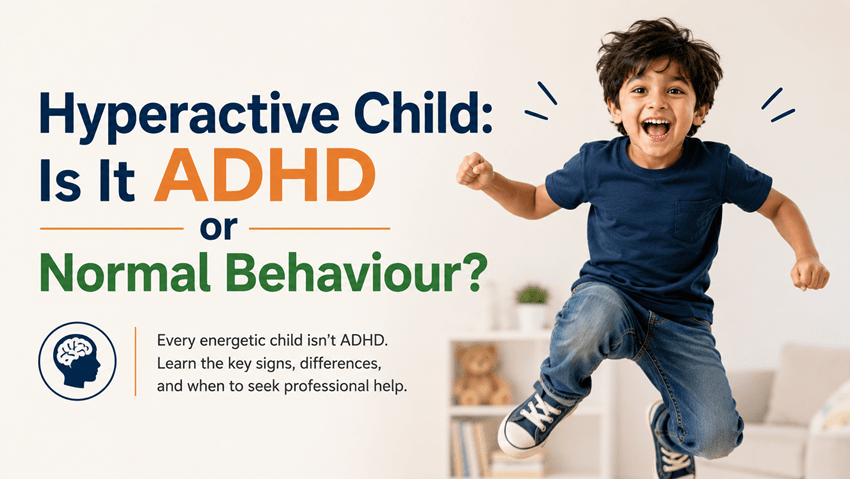
Hyperactive Child is it ADHD or Normal Behaviour? Many parents wonder whether their child’s endless energy is simply part of growing up or a sign of a medical condition such as ADHD. Running around, talking constantly and difficulty sitting still can be normal childhood behaviour. However when these behaviour start affecting school performance, relationships and daily life it may be time for a closer evaluation.
For families in Pune, understanding the difference between normal activity and ADHD can help ensure children receive the right support at the right time.
Understanding Hyperactivity in Children:
Children are naturally energetic. They explore, play, ask questions and often struggle to sit quietly for long periods.
Normal childhood activity may include:
- Running and climbing frequently
- Talking excessively at times
- Short attention span during boring activities
- Occasional impulsive behaviour
- Excitement in new situations
These behaviour often improve as children grow and develop self-control.
What is ADHD?
ADHD (Attention Deficit Hyperactivity Disorder) is a neurodevelopmental condition that affects a child’s ability to focus, control impulses and regulate activity levels.
According to international studies, ADHD affects approximately 5-7% of school-aged children worldwide.
ADHD symptoms usually appear before the age of 12 and may continue into adolescence and adulthood.
The key difference is that ADHD significantly affects daily functioning at home, school and social environments.
Common Symptoms of ADHD:
Inattention Symptoms:
- Difficulty concentrating
- Frequent careless mistakes
- Easily distracted
- Forgetting homework or tasks
- Losing personal belongings
Hyperactivity Symptoms:
- Constant movement
- Fidgeting
- Excessive talking
- Difficulty remaining seated
- Restlessness
Impulsivity Symptoms:
- Interrupting conversations
- Acting without thinking
- Difficulty waiting for turns
- Emotional outbursts
Why Some Children Are Naturally Active?
Not every energetic child has ADHD.
Factors contributing to high activity levels include:
- Personality traits
- Curiosity and intelligence
- Lack of physical activity outlets
- Poor sleep habits
- Excessive screen exposure
- Emotional stress
A thorough evaluation helps distinguish these factors from ADHD.
Causes and Risk Factors:
ADHD does not result from poor parenting.
Common risk factors include:
- Family history of ADHD
- Premature birth
- Low birth weight
- Prenatal exposure to smoking or alcohol
- Certain neurological differences
Researchers believe genetics plays a significant role in most ADHD cases.
When Should Parents Be Concerned?
Consider seeking medical advice if your child:
- Receives repeated complaints from school
- Struggles academically despite intelligence
- Has difficulty making friends
- Shows persistent impulsive behaviour
- Experiences emotional difficulties
- Cannot complete age-appropriate tasks
Early assessment can prevent future academic and social challenges.
ADHD Diagnosis Process:
There is no single blood test or scan for ADHD.
The evaluation process typically includes:
- Medical History: Review of developmental milestones and family history.
- Behaviour Assessment: Standardized questionnaires completed by parents and teachers.
- Physical Examination: To rule out medical causes.
- Developmental Evaluation: Assessment of learning, communication and behavioral skills.
- School Feedback: Understanding classroom performance and behaviour patterns.
Treatment Options for ADHD:
Treatment is personalized based on age and symptom severity.
Behavioral Therapy:
- Parent training
- Positive reinforcement techniques
- Behaviour management strategies
Educational Support:
- Classroom modifications
- Structured learning plans
Lifestyle Management:
- Healthy sleep routines
- Regular exercise
- Balanced nutrition
Medication:
Some children may benefit from medication under specialist supervision.
Cost of ADHD Assessment and Treatment in Pune:
The cost varies depending on the evaluation and treatment plan.
Costs may vary based on the clinic and complexity of assessment.
Benefits of Early Diagnosis:
Early identification offers several advantages:
- Improved academic performance
- Better social relationships
- Enhanced self-confidence
- Reduced behavioral challenges
- Improved family harmony
Children diagnosed early often achieve better long-term outcomes.
Risks of Ignoring ADHD Symptoms:
Untreated ADHD may lead to:
- Poor school performance
- Low self-esteem
- Emotional difficulties
- Social challenges
- Increased risk-taking behaviour during adolescence
Recovery and Long-Term Management:
ADHD is a manageable condition. With appropriate support, many children:
- Improve focus
- Develop organizational skills
- Build stronger relationships
- Perform well academically
- Lead successful adult lives
Before and After Care for Parents:
Before Assessment:
- Observe behaviour patterns
- Gather school reports
- Note specific concerns
- Maintain a behaviour diary
After Assessment:
- Follow treatment recommendations
- Communicate with teachers
- Maintain consistent routines
- Attend follow-up appointments
Who is a Good Candidate for ADHD Evaluation?
Children who:
- Have persistent hyperactivity
- Show poor attention span
- Face school difficulties
- Display impulsive behaviour
- Experience social challenges
should undergo professional assessment.
Myths vs Facts About ADHD:
Latest Technologies Used in ADHD Assessment:
Modern evaluation methods may include:
- Digital behavioural questionnaires
- Computerized attention testing
- Developmental screening tools
- Standardised rating scales
- Telehealth follow-up consultations
These tools help improve diagnostic accuracy.
Prevention and Parenting Tips:
While ADHD cannot always be prevented, parents can support healthy development by:
- Maintaining consistent routines
- Encouraging physical activity
- Limiting excessive screen time
- Promoting healthy sleep habits
- Supporting emotional well-being
When Should You Visit a Paediatrician?
Consult a paediatrician if:
- Symptoms persist for more than six months
- School performance is declining
- Behaviour affects family life
- Teachers express concerns
- Social difficulties become noticeable
Early intervention often leads to better outcomes.
Why Choose Dr. Anuja Pakhare for Child Behaviour and ADHD Assessment?
If you are concerned about your child’s hyperactivity, professional guidance can provide clarity and reassurance.
Dr. Anuja Pakhare – Experienced Paediatrician and Neonatologist offers comprehensive child health evaluations, developmental assessments, parent counselling and evidence-based guidance for behavioral concerns.
Parents from Hinjewadi, Wakad and surrounding areas trust her for compassionate and personalized child care.
Frequently Asked Questions (FAQ's):
Symptoms often become noticeable between ages 4 and 12, although formal diagnosis may occur later.
Yes. A paediatrician can perform an initial assessment and coordinate further evaluations if needed.
Excessive screen exposure may contribute to behavioral difficulties and reduced attention in some children.
Genetics is considered one of the strongest risk factors for ADHD.
There is no permanent cure, but symptoms can be effectively managed with appropriate treatment and support.
Conclusion:
Understanding whether your child is simply energetic or showing signs of ADHD can be challenging for any parent. While active behaviour is a normal part of childhood, persistent symptoms such as excessive hyperactivity, poor concentration, impulsiveness and difficulties at school may indicate the need for professional evaluation. Early identification and timely intervention can significantly improve a child’s academic performance, social interactions, emotional well-being and overall quality of life.
If you are concerned about your child’s behaviour, attention span, or developmental progress, do not ignore the signs. Seeking guidance from an experienced paediatrician can provide clarity and the right treatment plan. At Goodfaith Healthcare Clinic Dr. Anuja Pakhare – Experienced Paediatrician and Neonatologist in Hinjewadi and Wakad, Pune, offers comprehensive child health assessments and personalized care to help children reach their full potential.
Schedule a consultation today and take the first step towards supporting your child’s healthy growth, learning and development.