
- 02/11/2026
- Goodfaith Healthcare
- 0 Comments
- Blogs
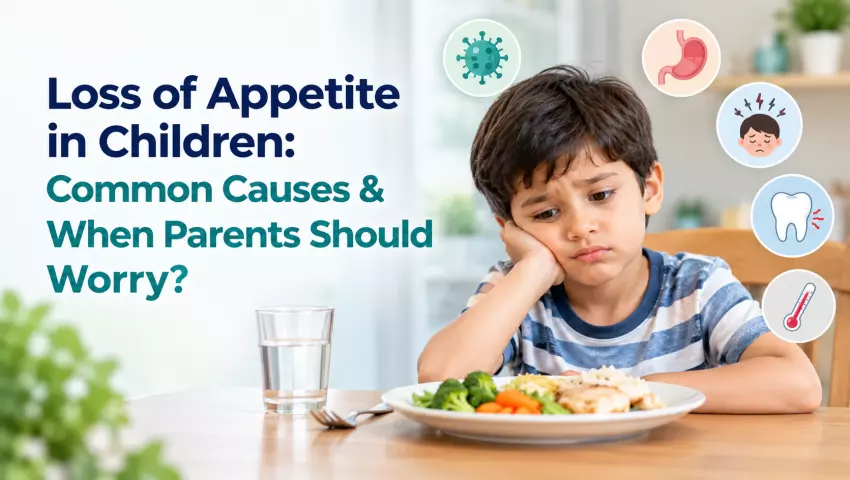
Loss of Appetite in Children: Common Causes & When Parents Should Worry?
It is very common for parents to worry when their child refuses to eat properly. Understanding Loss of Appetite in Children: Common Causes & When Parents Should Worry is essential for every parent, especially if you are searching for a trusted Pediatrician in Hinjewadi or a Pediatrician in Wakad to guide you through daily mealtime struggles. Many parents spend every meal running behind their kids or trying different tricks just to feed them a few bites. In most cases, this is just a normal phase caused by a child growing slowly or having a simple cold or throat pain. Knowing the real reasons helps you handle mealtime without stress and decide when medical guidance is necessary.
What Is Loss of Appetite in Children?
When a child eats much less than usual or refuses food completely, it is called loss of appetite. In simple medical terms, a complete loss of appetite is called anorexia.
A child’s hunger changes depending on how active they are and how fast they are growing. A short drop in hunger is usually not a problem, but if a child avoids food for days, parents need to pay attention. If you visit a Child Clinic in Hinjewadi, doctors will often evaluate these normal pattern shifts before suggesting any testing.
Common Causes of Loss of Appetite in Children:
Understanding the reasons for loss of appetite in children helps parents stay calm and handle the situation easily:
- Slower Growth: After the first birthday, a toddler grows slower than a baby. They need fewer calories, so they naturally feel less hungry.
- Simple Illnesses: Colds, fevers, coughs, or needing Viral Infection Treatment in Hinjewadi can temporarily lower a child’s appetite.
- Teething Pain: When new teeth come out, swollen and sore gums make chewing uncomfortable.
- Constipation: Hard stools or an upset stomach make children feel full and refuse food.
- Low Iron or Zinc: Lack of iron (anemia) or zinc in the body changes food taste and lowers hunger.
- Stomach Worms: Intestinal parasites or stomach worms cause discomfort and lower food intake.
- Too Many Drinks or Snacks: Milk, juice, or frequent snacks before meals fill up a child’s small stomach.
Signs and Symptoms Associated with Loss of Appetite:
Knowing simple loss of appetite symptoms helps you understand if your child is just fussy or feeling unwell:
- Turning away from food or leaving meals unfinished
- Eating only 1–2 small bites
- Feeling tired, irritated, or low on energy
- Weight loss or no weight gain over time
- Complaining of stomach pain
- Dry or hard bowel movements (constipation)
How Long Can Loss of Appetite Last in Children?
How long this problem lasts depends on the reason:
- 1 to 3 Days: Very common during fever, cold, or teething. Hunger returns as the child feels better.
- 1 to 2 Weeks: Happens after recovering from a viral infection or stomach bug.
- More Than a Month: Long-lasting Loss of Appetite in Children can happen due to low iron, stomach worms, or long-term constipation.
How Loss of Appetite Can Affect a Child's Growth and Nutrition?
A few days of poor eating will not harm your child. But if a child eats very little for weeks, it can affect their health:
- Slow Height and Weight Gain: The body gets less energy to grow properly.
- Frequent Illnesses: Lack of vitamins makes the body’s immune system weak. Staying updated with routine shots at a certified Vaccination Center in Wakad helps protect vulnerable children during low-immunity phases.
- Low Energy for Play and Study: The child feels tired, weak, and inactive during the day. Older kids might also need Adolescent counseling in Hinjewadi if stress or school pressure is secretly affecting their diet.
- Low Hemoglobin: Less iron intake leads to blood deficiency, which further reduces hunger.
Practical Ways to Improve Your Child's Appetite:
If you are looking for simple loss of appetite in children treatment ideas at home, try these easy steps:
- Set Fixed Meal Times: Serve breakfast, lunch, and dinner at fixed times to build natural hunger.
- Limit Milk and Evening Snacks: Do not give milk or heavy snacks right before mealtime.
- Keep Mealtimes Happy: Never force, scold, or pressure your child to eat. A calm environment helps them eat better. If you are nursing an infant, seeking expert Breastfeeding counseling in Hinjewadi can also help establish healthy feeding patterns early on.
- Encourage Outdoor Play: Running and playing outside burns energy and naturally increases hunger.
- Give Small Meals: Offer 5 to 6 small, colorful meals instead of 3 large plates of food.
When Should Parents Worry About Loss of Appetite?
Most cases are mild, but parents should know when to consult a medical professional.
Consult a doctor immediately if you notice:
- Child is losing weight continuously
- Child looks very tired, weak, or pale
- High fever lasting more than 2–3 days
- Severe breathing difficulty or wheezing, where a doctor might recommend supportive Nebulisation Treatment in Hinjewadi
- Vomiting or loose motions
- Severe stomach pain
- Child refuses all food and water for more than a day
Whether you consult a local Family Physician in Hinjewadi or a dedicated Child Specialist in Hinjewadi, proper clinical guidance ensures your child stays on the right path to recovery.
Dr. Anuja Pakhare, MBBS, DCH, DNB (Pediatrics), PGD (Family Medicine), is a Consultant Pediatrician and Family Physician with 15+ years of experience in newborn, child, and adolescent care. Her expertise includes general pediatric care, newborn and high-risk infant care, growth and development assessment, vaccination, nutrition counselling, and management of common childhood illnesses. At GoodFaith Healthcare, Hinjewadi, she provides comprehensive pediatric care with a focus on accurate evaluation, personalised treatment, preventive healthcare, and parent guidance. The clinic also offers services such as newborn screening, high-risk infant follow-ups, nebulization, vaccination, and growth and development assessment.
Conclusion:
Knowing the basic causes of loss of appetite in children helps parents handle mealtime patiently. In most children, eating less is a short phase that gets better with time and simple habits. Keeping a regular routine, keeping up with Routine Health Check-ups service in Hinjewadi, and offering simple, healthy food will help bring their appetite back naturally.
If poor eating continues for weeks or affects your child’s weight, book an appointment with Dr. Anuja Pakhare for expert evaluation and personalized care. Visit Goodfaith Healthcare Clinic to get trusted pediatric guidance and ensure your child’s healthy growth.
FAQs About Loss of Appetite in Children:
Children stop eating well during minor colds, fever, teething, constipation, or when growth slows down naturally. Consulting a General Physician in Hinjewadi can help identify if minor stomach upsets or habits are affecting their appetite.
Give simple, soft, and nutrient-dense foods like warm soup, dal khichdi, curd, yogurt, or fresh fruits. If your baby has a history of birth complications, guidance during a follow-up of High Risk Newborns in Hinjewadi session can help plan an optimal diet.
Yes, it is completely normal because toddler growth slows down compared to infancy. Routine evaluations at a Newborn Screenings Centre in Hinjewadi during the early months ensure parents feel confident about their child’s ongoing growth track.
Yes, stomach worms and low levels of iron or zinc can reduce hunger. Visiting a Pediatric Clinic in Hinjewadi helps parents get an accurate diagnosis along with safe deworming or vitamin supplements.
Do not force-feed your child, but offer small sips of fluids or small bites patiently. If the refusal continues for more than a day with low energy, consult a General Physician in Wakad or your regular pediatrician right away.