
- 21/02/2026
- Goodfaith Healthcare
- 0 Comments
- Blogs
Fever in Children: When to Worry and When to Relax?
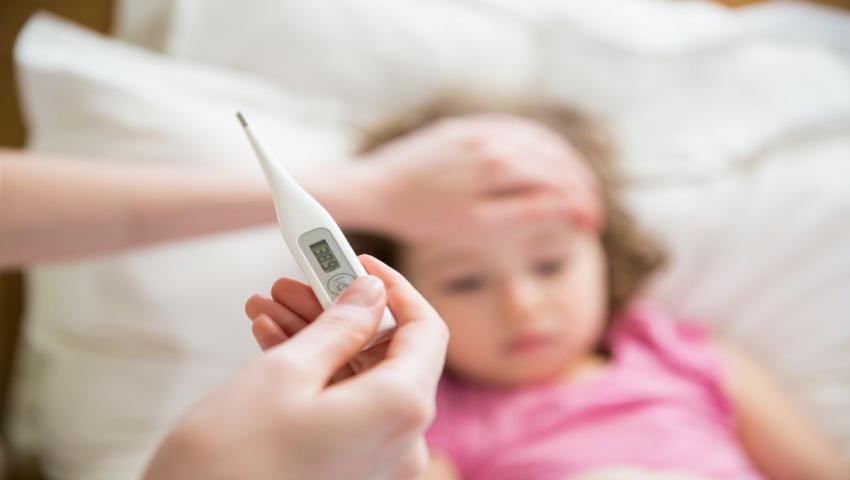
Fever in Children is one of the most common reasons parents visit a doctor. It can appear suddenly and make a child look weak, dull, or irritable. Many parents feel anxious when they see a high temperature on the thermometer. But the truth is, not every fever is dangerous. In many cases, fever is the body’s natural way of fighting infection.
At Good Faith Healthcare, parents often visit a Pediatrician in Hinjewadi for guidance about fever. Understanding when to relax and when to worry can help you make better decisions for your child’s health.
What is Fever in Children?
Fever is a rise in body temperature above normal levels. A temperature above 100.4°F (38°C) is considered a fever in children. It usually happens when the body is fighting infections like cold, cough, flu, throat infections, or stomach infections.
Fever itself is not a disease. It is a symptom that tells us something is happening inside the body. Most fevers are mild and settle within a few days with proper care.
Common Causes of Fever in Children:
Fever in children can occur due to many reasons. Some of the most common causes include:
- Viral infections such as cold, flu, or viral fever
- Bacterial infections like throat infection or ear infection
- Teething in infants
- Post-vaccination reaction
- Stomach infections or food poisoning
- Urinary tract infections
In most cases, viral infections are the main cause. These fevers usually settle on their own within three to five days.
Normal Fever vs High Fever:
Not all fevers are the same. Understanding the difference helps parents stay calm.
- Low-grade fever: Temperature between 100.4°F to 102°F. This is usually mild and manageable at home.
- Moderate fever: Temperature between 102°F to 104°F. The child may feel weak or irritable but usually responds to medicines.
- High fever: Temperature above 104°F. This needs closer observation and sometimes medical attention.
If your child remains active, eats well, and plays normally, even with a mild fever, there is usually no need to panic. However, if the child looks very dull or refuses to eat or drink, it is better to consult a Child Specialist in Hinjewadi.
When You Can Relax?
You can stay calm and manage fever at home in the following situations:
- Fever is below 102°F
- Child is active and playful
- Child is eating and drinking normally
- Fever started recently (within 24–48 hours)
- No other serious symptoms are present
In such cases, simple care at home is enough. Keep the child hydrated, give light food, and use fever medicines only if advised by a doctor.
When You Should Worry?
There are certain warning signs that need medical attention. Visit a Child Clinic in Hinjewadi if you notice:
- Fever above 104°F
- Fever lasting more than 3 days
- Child becomes very dull or sleepy
- Refusal to drink fluids
- Continuous vomiting
- Difficulty in breathing
- Seizures or fits
- Rash along with fever
- Fever in babies below 3 months of age
These signs may indicate a serious infection and should not be ignored.
How to Check Temperature Correctly?
Always use a digital thermometer for accurate readings.
- For infants: Check under the arm (axillary method)
- For older children: Oral thermometer can be used
- Avoid touching the forehead to guess temperature
Check the temperature every 4–6 hours if the child has fever.
Home Care Tips for Fever:
Simple home care can make your child comfortable during fever.
- Keep the child hydrated: Offer water, breast milk, formula, or soups.
- Give light food: Soft and easy-to-digest food is better during fever.
- Use fever medicine only if needed: Paracetamol can be given if the child is uncomfortable, but only as per the doctor’s advice.
- Dress the child comfortably: Avoid heavy blankets or thick clothes.
- Ensure proper rest: Allow the child to sleep and recover.
Fever After Vaccination:
It is common for children to develop mild fever after vaccination. This is a normal response of the immune system.
In such cases:
- Fever usually lasts for 24–48 hours
- Child may be slightly irritable
- Doctor may suggest paracetamol
If fever lasts more than two days or crosses 102°F, consult your doctor.
Can Fever Cause Fits?
Some children between 6 months to 5 years may develop febrile seizures. These happen due to a sudden rise in temperature.
Though frightening, febrile seizures are usually harmless and do not cause long-term problems. However, any seizure should be evaluated by a doctor immediately.
When Should You Visit a Pediatrician for Fever?
You can include:
Fever lasting more than 72 hours
Fever with breathing difficulty
Repeated vomiting or diarrhea
Seizures with fever
Fever in newborns or infants
At Good Faith Healthcare, children receive personalised care under the guidance of Dr. Anuja Pakhare, an experienced Pediatrician and Neonatologist. The clinic focuses on accurate diagnosis, gentle treatment, and preventive care for every child.
Preventing Frequent Fevers in Children:
While fever cannot always be prevented, certain habits can reduce the chances:
- Ensure timely vaccinations
- Maintain proper hand hygiene
- Give nutritious home-cooked food
- Encourage good sleep habits
- Avoid exposure to sick individuals
👉 Schedule your child’s consultation now. Book an appointment here.
Final Thoughts:
Fever is a common part of childhood. In most cases, it is not dangerous and settles with simple care. The key is to observe your child’s behaviour and watch for warning signs.
If your child remains active and comfortable, you can relax. But if symptoms look unusual or fever persists, do not delay medical consultation.
Good Faith Healthcare offers child immunisation, newborn care, growth assessment, routine check-ups, and family medicine services with a patient-centred approach. Your child’s health and comfort are always the top priority.